Evaluating Ground Conditions Before Breaking Soil
Before any earth-moving equipment touches the ground, thorough site assessment stands as the foundation of successful construction projects. In the Detroit Lakes area, where soil composition varies significantly from sandy lakefront properties to clay-heavy inland parcels, understanding subsurface conditions prevents costly surprises during construction. Proper evaluation identifies underground utilities, bedrock depth, water tables, and soil bearing capacity that directly impact foundation stability and drainage performance.
Professional site assessment begins with utility locating services that mark existing water lines, septic systems, electrical conduits, and communication cables. In established neighborhoods throughout Detroit Lakes, MN, older utility maps may not reflect recent installations or modifications, making physical locating services essential. Ground-penetrating radar and test pit excavations reveal soil stratification, moisture content, and compaction characteristics that determine appropriate foundation types and drainage solutions.
Soil testing during the assessment phase identifies organic content, clay percentages, and frost susceptibility that affect long-term structural performance. Minnesota’s freeze-thaw cycles place unique demands on foundations and underground infrastructure, requiring excavation depths that extend below the frost line at approximately 42 to 60 inches depending on specific location. Properties near Pelican Lake, Detroit Lake, and other water bodies often encounter high water tables during spring snowmelt, necessitating specialized dewatering strategies and foundation waterproofing that increase project complexity and cost if not identified during initial planning.
Choosing the Right Machinery for Project Efficiency
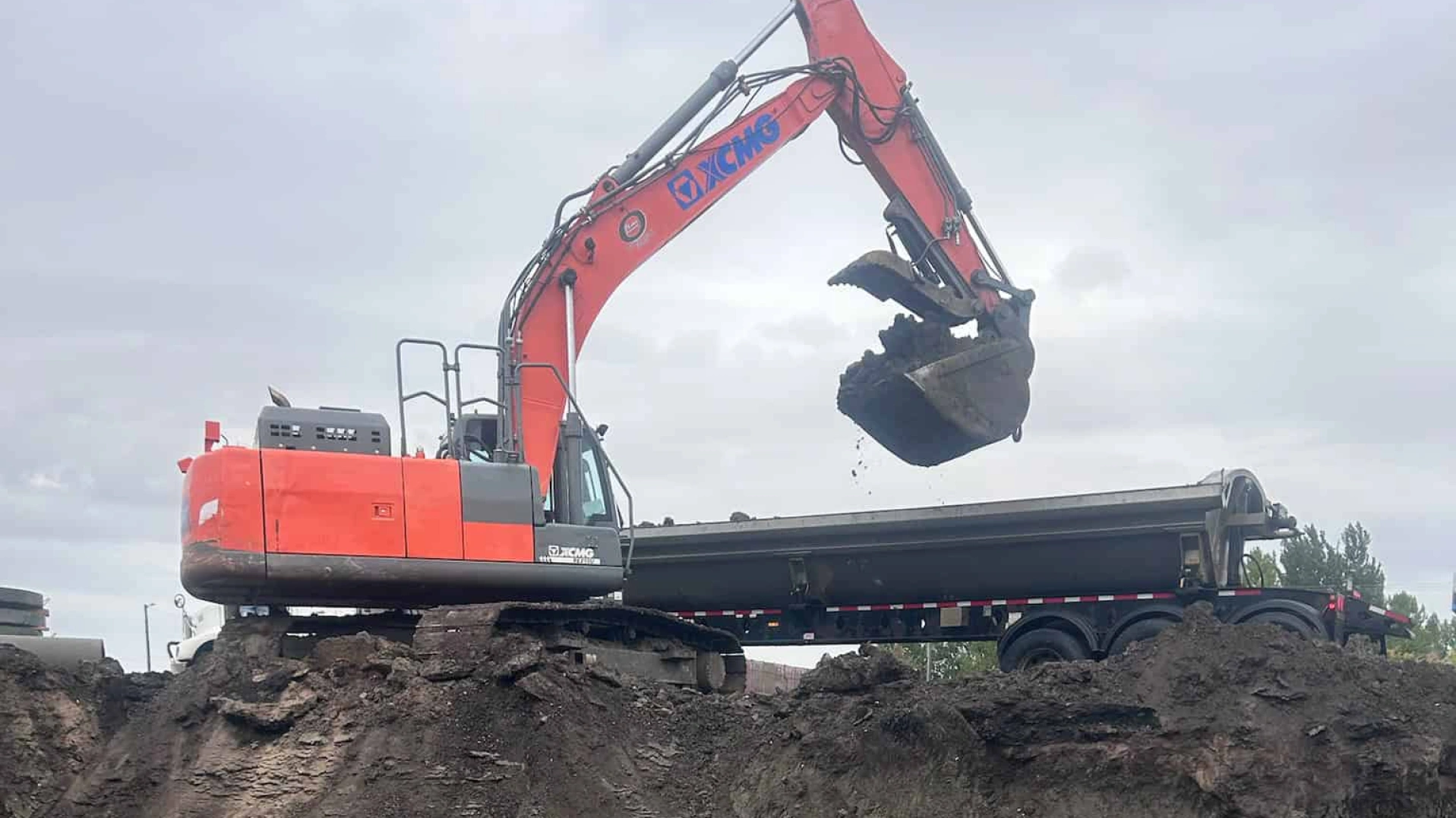
Selecting appropriate earth-moving equipment directly impacts project efficiency, cost control, and site safety. Compact excavators suited for residential basement work differ substantially from track hoes required for commercial site development or shoreline restoration projects common along Detroit Lakes waterfront properties. Equipment selection considers access restrictions, dig depth requirements, reach distances, and soil conditions that vary widely across different project types and locations.
Residential foundation work typically requires excavators in the 8,000 to 20,000 pound class that balance digging power with maneuverability in confined spaces between existing structures and property lines. Tracked equipment distributes weight more evenly than wheeled loaders, reducing lawn damage and soil compaction that affects final grading and landscaping restoration. For projects involving significant material removal, such as full basement excavations or pond construction, coordinating excavator capacity with hauling truck availability prevents costly equipment idle time and extends project timelines unnecessarily.
Operator skill level proves equally important as equipment selection in achieving precise grade specifications and avoiding utility strikes or property damage. Professional operators read grade stakes accurately, maintain proper slope angles for drainage, and adjust digging techniques based on changing soil conditions encountered during excavation. In Detroit Lakes, MN, where many properties include mature trees and established landscaping, skilled operators minimize root damage and preserve desirable vegetation by adjusting bucket angles and dig patterns around sensitive areas that homeowners want protected during construction activities.
Implementing Effective Moisture Control Strategies
Water management during and after the project determines long-term structural integrity and prevents recurring moisture problems that plague poorly planned construction. Excavation creates temporary disturbances to natural drainage patterns, requiring immediate measures to prevent erosion, sediment runoff into nearby waterways, and standing water that destabilizes excavated slopes. In areas serving Frazee, Audubon, and Callaway, where agricultural drainage tiles crisscross many properties, identifying and protecting existing drainage infrastructure prevents flooding issues on neighboring parcels.
Temporary dewatering during active construction phases uses sump pumps, wellpoints, or perimeter trenches that lower groundwater levels sufficiently for concrete placement and foundation waterproofing. Spring construction schedules in the Detroit Lakes region often encounter snowmelt runoff that fills excavations faster than natural soil absorption can manage, particularly in clay soils common throughout Becker County. Pumped water requires appropriate discharge locations that comply with local stormwater management regulations and avoid erosion on adjacent properties or sediment introduction into lakes and streams.
Permanent drainage systems installed during backfilling include perforated drain tile around foundation footings, granular backfill materials that facilitate water movement, and positive grade slopes that direct surface water away from structures. Foundation drains typically discharge to daylight outlets where topography permits, or to sump baskets with pump systems in flatter terrain common around Lake Park and Cormorant. Proper drainage installation during the construction phase costs substantially less than remedial waterproofing and drainage corrections after structures are complete and landscaping is established.
Maintaining Secure Work Environments and Regulatory Adherence
Excavation work presents inherent risks that require strict safety protocols protecting workers, property owners, and the general public. Trench collapse represents the most serious hazard, with OSHA regulations mandating protective systems for excavations exceeding five feet in depth or any depth where unstable soil conditions exist. Sloping excavation walls to safe angles, installing trench boxes, or using shoring systems prevents cave-ins that can occur without warning, particularly in sandy soils or during periods of ground saturation after heavy rainfall.
Utility strike prevention requires calling 811 at least three business days before breaking ground, allowing utility companies to mark underground infrastructure locations. While locating services identify most utilities, private lines serving wells, septic systems, landscape lighting, and irrigation systems fall outside public utility notification systems, requiring property owners to identify these features before work begins. In Detroit Lakes, MN, where many properties include seasonal systems for dock power, shore stations, and outdoor lighting near waterfront areas, thorough utility identification prevents service interruptions and dangerous situations.
Erosion control and sediment management protect water quality in the surrounding lakes that define the character and economy of the Detroit Lakes region. Silt fences, straw bales, and sediment traps prevent soil particles from washing into storm drains, ditches, and water bodies during construction activities. Projects disturbing more than one acre typically require stormwater pollution prevention plans that specify erosion control measures, inspection schedules, and corrective actions if sediment leaves the construction site. Askeland Enterprises LLC brings extensive experience managing residential and commercial construction projects throughout the lakes area, implementing proper safety protocols and erosion control measures that protect both people and the natural environment. Their shoreline restoration services demonstrate commitment to preserving water quality while delivering construction results that meet exacting standards for structural integrity and long-term performance.
Achieving Proper Elevations and Surface Preparation
Final grading transforms rough excavations into precisely leveled surfaces that support foundations, driveways, and landscaping features according to architectural and engineering specifications. Laser levels and GPS-guided grading systems ensure accuracy within fractions of an inch, critical for proper drainage function and structural alignment. Residential foundation pads require level tolerances typically within one-quarter inch over ten feet to prevent differential settling and cracking in concrete slabs and foundation walls.
Compaction of disturbed soils restores load-bearing capacity diminished during excavation and backfilling operations. Mechanical compactors in plate, jumping jack, or roller configurations densify soil in controlled lifts typically six to eight inches thick before compaction. Testing compaction levels using nuclear density gauges or sand cone methods verifies achievement of specified density percentages, usually 90 to 95 percent of maximum dry density for residential applications. Inadequate compaction leads to settlement under structures, cracked concrete flatwork, and drainage problems as soils consolidate under load over time.
Topsoil preservation and replacement maintains growing medium quality for lawns and landscaping installed after construction completion. Stripping and stockpiling topsoil before excavation begins protects valuable organic material from contamination with subsoil and allows replacement over final grades once grading is complete. In the Detroit Lakes area, where topsoil depths vary from minimal coverage over sandy subsoils to substantial accumulations in former wetland areas, matching final topsoil depths to surrounding landscape conditions creates uniform growing conditions that support healthy turf and plantings. Final site preparation also addresses surface drainage patterns, creating swales and berms that direct runoff away from structures toward appropriate discharge points while preventing erosion and standing water that damage landscaping and create maintenance problems for property owners throughout Park Rapids, Pelican Rapids, and surrounding communities.